

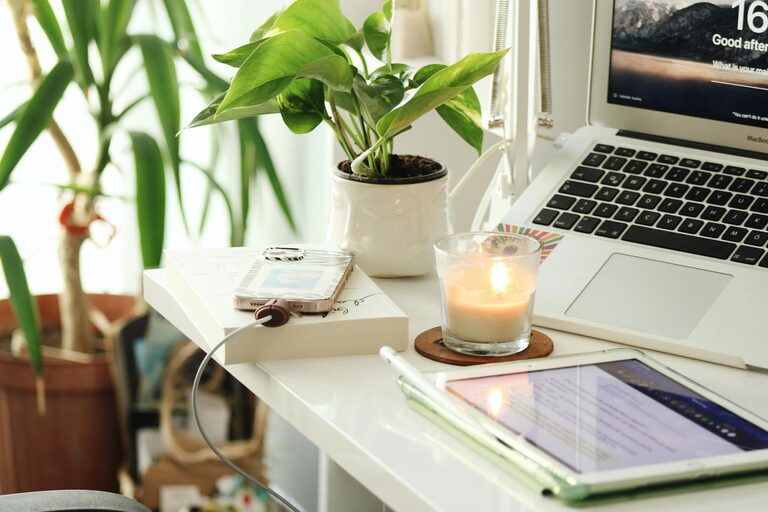
Tips for Creating a Cozy and Productive Home Office Environment
Creating a home office that is both cozy and productive can make a significant difference in how you work each day. Whether you’re working remotely full-time or just need a quiet spot for occasional tasks, your workspace should inspire focus and comfort. Here are some practical tips to help you design a home office environment that supports your best work.
Choose the Right Location
Finding the perfect spot in your home for your office is the first step. Consider these factors:
– Natural light: A place near a window can boost mood and energy.
– Minimize distractions: Select a quiet area away from high-traffic zones.
– Space availability: Make sure there’s enough room for your desk, chair, and any necessary equipment.
If space is limited, even a small corner can be transformed into an effective workspace with a few adjustments.
Invest in Comfortable and Functional Furniture
Your furniture choices greatly influence both comfort and productivity.
– Ergonomic chair: Choose a chair that provides good back support and encourages good posture.
– Appropriate desk: Select a desk at the right height to prevent strain. Adjustable desks that allow sitting and standing positions can be beneficial.
– Storage solutions: Shelves, drawers, or filing cabinets keep your documents and supplies organized.
A comfortable setup reduces physical stress and helps maintain focus for longer periods.
Optimize Lighting
Good lighting is essential for reducing eye strain and maintaining alertness.
– Natural light: Maximize daylight by positioning your desk near a window.
– Task lighting: Use adjustable desk lamps to focus light where needed.
– Avoid glare: Position screens and lights to minimize reflections and shadows.
Consider warm lighting options to create a cozy atmosphere without sacrificing clarity.
Organize Your Workspace
A clutter-free space helps your mind stay clear and organized.
– Declutter regularly: Remove unnecessary items from your desk and surroundings.
– Use organizers: Trays, pen holders, and drawer dividers help categorize supplies.
– Digital organization: Keep your computer desktop tidy and backed up with easy-to-find files.
A well-organized office increases efficiency and reduces the time spent looking for things.
Personalize Your Space Thoughtfully
Adding personal touches makes your office inviting without being distracting.
– Plants: A few easy-to-care-for plants can improve air quality and add color.
– Artwork: Choose inspiring images or quotes that motivate you.
– Comfort items: Soft blankets, cushions, or a favorite mug can enhance coziness.
Keep personalization balanced to maintain a professional and focused environment.
Manage Noise Levels
Noise can seriously impact concentration, so consider how to create a quieter space.
– Noise-cancelling headphones: Great for blocking distractions in busy homes.
– Soundproofing: Rugs, curtains, and wall hangings can absorb sound.
– White noise: A fan or white noise machine may help mask disruptive sounds.
Having control over noise enables better concentration and reduces stress.
Set Boundaries and Routines
Creating a productive environment also means managing how you work.
– Define office hours: Set clear start and end times to separate work and personal life.
– Take breaks: Stand, stretch, and rest your eyes regularly to stay refreshed.
– Create rituals: Begin your day with a routine that prepares you mentally for work.
Routines help your brain recognize when it’s time to focus and when to relax.
Use Technology Wisely
The right tools can enhance productivity while avoiding unnecessary distractions.
– Reliable internet: Ensure you have a stable connection for video calls and research.
– Productivity apps: Use calendars, to-do lists, and time-management tools.
– Cable management: Keep cords organized to maintain a tidy workspace and avoid hazards.
Technology should simplify your workflow, not complicate it.
Incorporate Movement and Comfort
Physical comfort goes hand in hand with mental focus.
– Stretch points: Set up a space nearby to stretch or do light exercises.
– Refreshment station: Keep water or healthy snacks accessible to stay energized.
– Temperature control: Adjust heating, cooling, or air circulation to your liking.
Comfortable temperature and regular movement can boost energy and reduce fatigue.
—
Designing a home office that is both cozy and productive takes some planning but is definitely worth the effort. By choosing the right location, investing in good furniture, optimizing lighting and organization, and managing noise and routines, you’ll create a space that supports your well-being and work goals. Remember, your home office should reflect your needs and preferences, making every workday a little easier and more enjoyable.
Related Post
Tips for Creating a Cozy and Inviting Home Office Environment
Creating a cozy and inviting home office environment can make a significant difference in your…