
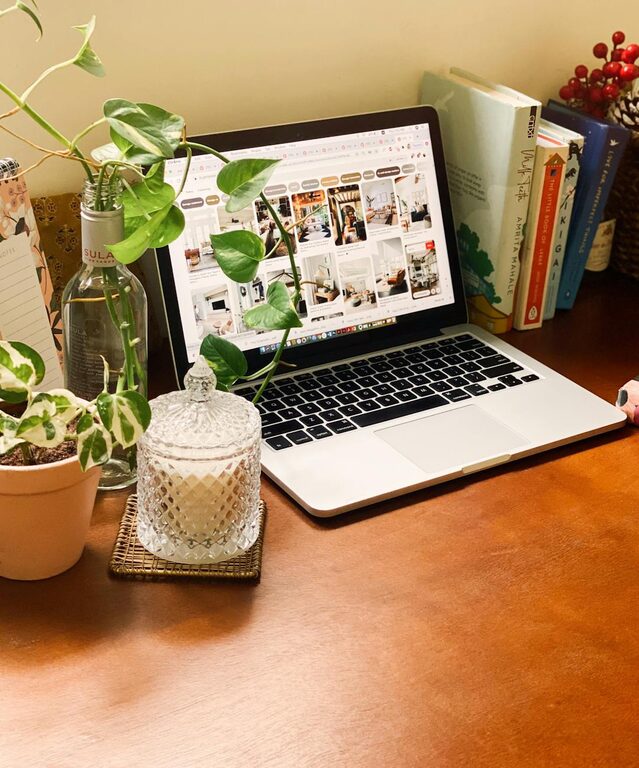
Tips for Creating a Cozy and Inviting Home Office Environment
Creating a cozy and inviting home office environment can make a significant difference in your daily work experience. Whether you work remotely full-time or occasionally need a quiet space for focused tasks, designing a workspace that feels comfortable and inspiring can boost your productivity, reduce stress, and improve your overall well-being.
Here are some practical tips to help you create the perfect home office that combines comfort with functionality.
Choose the Right Location
Your home office should be in a spot where you can focus with minimal distractions. Consider the following when selecting your workspace:
– Natural Light: Position your desk near a window if possible. Natural light helps reduce eye strain and can improve your mood.
– Quiet Area: Choose a room or corner away from heavy foot traffic and noisy appliances.
– Adequate Space: Make sure there’s enough room for your desk, chair, and storage without feeling cramped.
Invest in Ergonomic Furniture
Comfort is key for long hours of work, so investing in ergonomic furniture pays off in the long run.
– Ergonomic Chair: Choose a chair that supports your lower back and encourages proper posture.
– Desk Height: Your desk should allow your arms to rest comfortably at a 90-degree angle while typing.
– Adjustable Options: Consider sit-stand desks if you want flexibility and to reduce sitting time.
Use Soothing Colors and Décor
Colors influence mood and energy. Pick tones that promote calmness and focus.
– Soft Neutrals: Shades like beige, light gray, or soft blue create a peaceful atmosphere.
– Accent Colors: Add pops of your favorite colors through artwork, cushions, or desk accessories.
– Personal Touches: Include items that inspire you, such as plants, photos, or motivational quotes.
Maximize Organization and Storage
A clutter-free workspace helps maintain focus and efficiency.
– Desk Organizers: Use trays, pen holders, and drawer dividers to keep supplies in order.
– Shelving: Wall-mounted shelves free up desk surface while providing storage.
– Cable Management: Tame messy cords with clips or cable boxes to keep the area tidy.
Prioritize Good Lighting
Proper lighting reduces eye strain and keeps your workspace inviting throughout the day.
– Ambient Lighting: Overhead lights should evenly illuminate the room.
– Task Lighting: Desk lamps with adjustable brightness help when reading or working on detailed tasks.
– Consider Color Temperature: Warm lighting creates coziness, while cooler lighting often improves alertness.
Incorporate Comfortable Textiles
Adding soft textures makes your office feel more welcoming.
– Rugs: A plush rug can add warmth and reduce noise.
– Throw Blankets and Cushions: These can make your chair more comfortable and cozy.
– Curtains or Blinds: Help control natural light and add another layer of texture.
Bring in Greenery
Plants not only improve air quality but also add life and color to your workspace.
– Easy-Care Plants: Succulents, pothos, and snake plants are low maintenance.
– Placement: Position plants on shelves, desks, or windowsills for a refreshing touch.
– Benefits: Studies show plants can reduce stress and increase creativity.
Create a Relaxation Corner
Including a small area to step away from your desk can help recharge during breaks.
– Comfortable Chair or Bean Bag: A cozy spot for reading or meditating.
– Soft Lighting: Lamps or candles to create a relaxing ambiance.
– Books or Hobby Supplies: Keep materials close for leisure activities.
Establish a Consistent Routine
Your environment supports your work habits. Complement it with a routine that keeps you productive.
– Set Specific Work Hours: Helps balance professional and personal time.
– Take Breaks: Step away regularly to stretch or relax.
– Organize Daily Tasks: Use planners or apps to keep on track.
Keep Technology User-Friendly
Ensure your workspace technology supports your workflow without adding stress.
– Reliable Internet: Stable connection is essential for virtual meetings and research.
– Efficient Equipment: Choose devices that meet your needs without being overly complicated.
– Cable Accessibility: Arrange cords so they are easy to reach and less likely to get tangled.
—
Designing a home office that feels both cozy and productive doesn’t require a huge budget or extensive renovations. By choosing the right location, investing in comfort, adding personal touches, and keeping your space organized, you can create an inviting environment that enhances your workday. Remember, your workspace should reflect your unique style and needs—making it a place you look forward to spending time in.
Related Post

How to Create a Cozy and Inviting Reading Nook at Home
Creating a cozy and inviting reading nook at home is a wonderful way to carve…